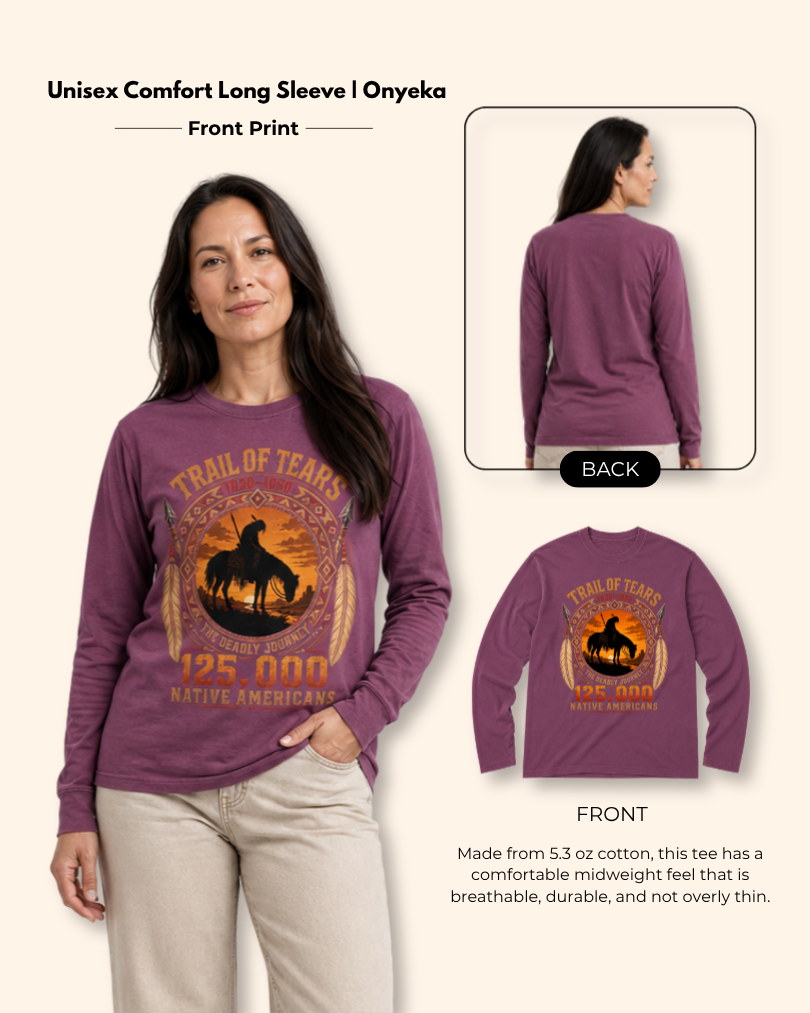
If you have read about the Trail of Tears online, you have almost certainly met these three stories. They are moving. They are quoted in classrooms, in captions, on memorial posts every autumn. They are also not true, and the people who study this period have said so in print.
1. The John G. Burnett letter
A long, first-person memoir attributed to a soldier named John G. Burnett circulates as an eyewitness account of the removal. It is the single most-quoted "primary source" on the Trail of Tears on the internet.
It is a forgery. Burnett's militia service ended in July 1837 — a year before the removal began. He was not on the march. Researchers who examined the document concluded that Burnett did not write it and did not live the events attributed to him.
2. Quatie Ross and the blanket
The story says that Quatie Ross, wife of Principal Chief John Ross, gave her only blanket to a freezing child and died of exposure as a result.
What is documented is quieter and sadder. Quatie Ross died of pneumonia on February 1, 1839, aboard a steamboat on the Arkansas River near Little Rock. The blanket story traces back to the Burnett letter above — which means it is a legend resting on a forgery.
3. The Jackson quote
A line often set beside Andrew Jackson's portrait — some version of "I have no more land to give you" — appears in no verifiable record of his speeches or writings.
It is also unnecessary. Jackson's actual position is fully documented: he signed the Indian Removal Act in 1830 and defended it to Congress in his own words. The real record is available at the National Archives. It does not need help.
Why we are telling you this
Every design we make starts with a name, a date, or a number. If we cannot source it, we do not print it. A history this heavy does not need embellishment — and every invented detail hands ammunition to the people who would rather the whole thing be forgotten.