The Trail Where They Cried
Heritage · The Trail of Tears
In 1832, the Cherokee took the United States to its highest court — and won.
Six years later, the soldiers came anyway.
Everything most of us were taught about this story leaves out the part that should stop you cold.
The Cherokee were not strangers to the country that removed them. They had invented a written language — 85 signs, the work of a man named Sequoyah — and within a few years much of the nation could read and write. They had a constitution. A newspaper printed in two languages. Farms, courts, schools, elected leaders.
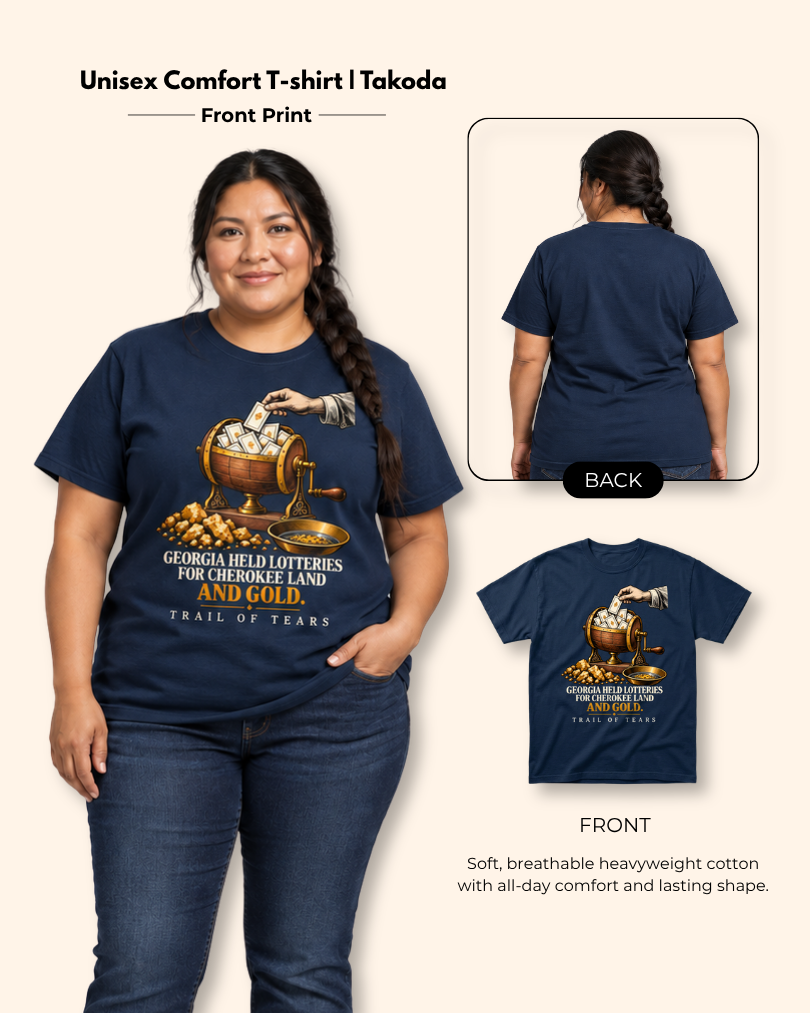
So when the state of Georgia moved to seize their land, they did not reach for rifles. They reached for the law. They carried their fight all the way to the Supreme Court of the United States — and in 1832, the Court ruled in their favor. The land was theirs. No state could touch it.
It was the highest law in the land. It saved no one.
They did everything right. They won. And it did not matter.
In the summer of 1838, the army came with bayonets and a list of names.
We don’t have to imagine what happened next — because one of the soldiers could not carry it in silence. Years later, an old man now, he wrote it down for his own children so they would know what their father had seen:
“I saw the helpless Cherokees arrested and dragged from their homes, and driven at the bayonet point into the stockades. And in the chill of a drizzling rain on an October morning, I saw them loaded like cattle or sheep into wagons and started toward the west.”
— Private John G. Burnett, U.S. Army — one of the men who was there
They were taken from dinner tables. Some watched their homes handed to strangers before the family had reached the edge of the yard. Then they walked — a thousand miles, into winter. Soldiers set the pace; the cold kept the count. Families buried grandmothers by the roadside and kept moving, because stopping was not allowed.
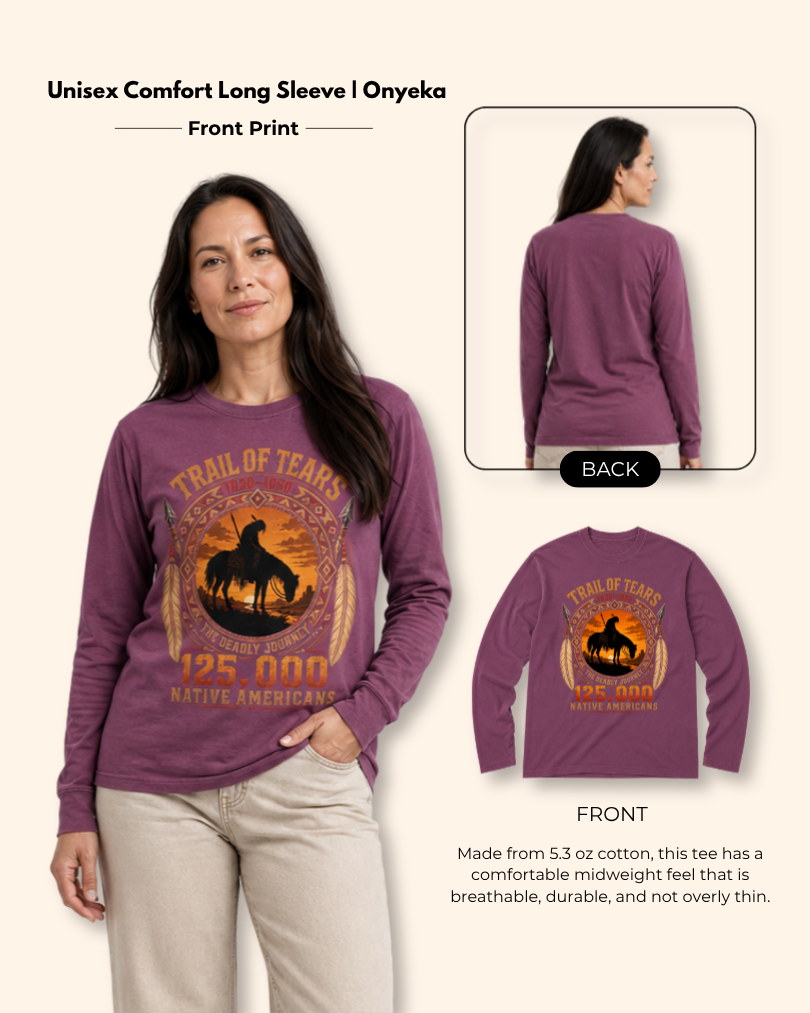
Of the roughly 16,000 Cherokee driven west, an estimated 4,000 never arrived. They gave the road a name that told the truth no treaty would: Nunna daul Tsuny — “the trail where they cried.”
And then something happened that should have been impossible.
They arrived.
Thinned, grieving, stripped of nearly everything a people can lose — and still, on the far side of that winter, they rebuilt. They wrote their laws again. They taught their children Sequoyah’s 85 signs so the language could never be starved out of them. And they kept telling this story — on purpose, for almost two hundred years — so that it would reach you. Here. Today. A continent and a lifetime away, on the screen in your hand.
A people who could be removed from their land — but never from the earth.
- 1821 — Sequoyah completes the Cherokee syllabary; a nation learns to read its own language.
- 1832 — The U.S. Supreme Court rules Cherokee land sovereign. The ruling is never enforced.
- 1838 — The army begins the forced removal at bayonet point.
- ~16,000 driven west · ~4,000 dead — from cold, hunger, and disease.
- Nunna daul Tsuny — the Cherokee name: “the trail where they cried.”
Remembrance isn’t sadness. It’s a decision. Every generation gets to choose whether this story keeps walking — or ends with them.