The first promise they broke was signed in 1830.
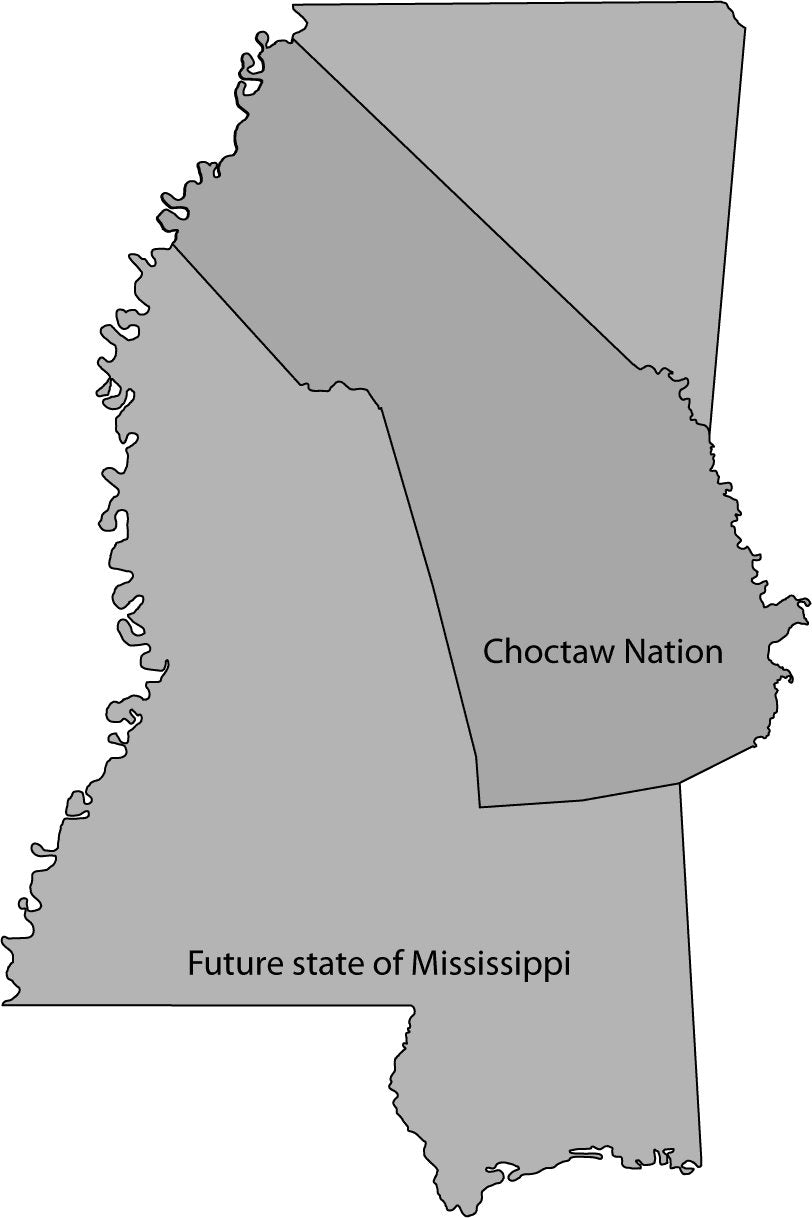
The Choctaw ceded nearly eleven million acres and agreed to move. The government agreed to move them. Then the moving became the policy.
Free size exchange · Printed & shipped in the USA
What was signed
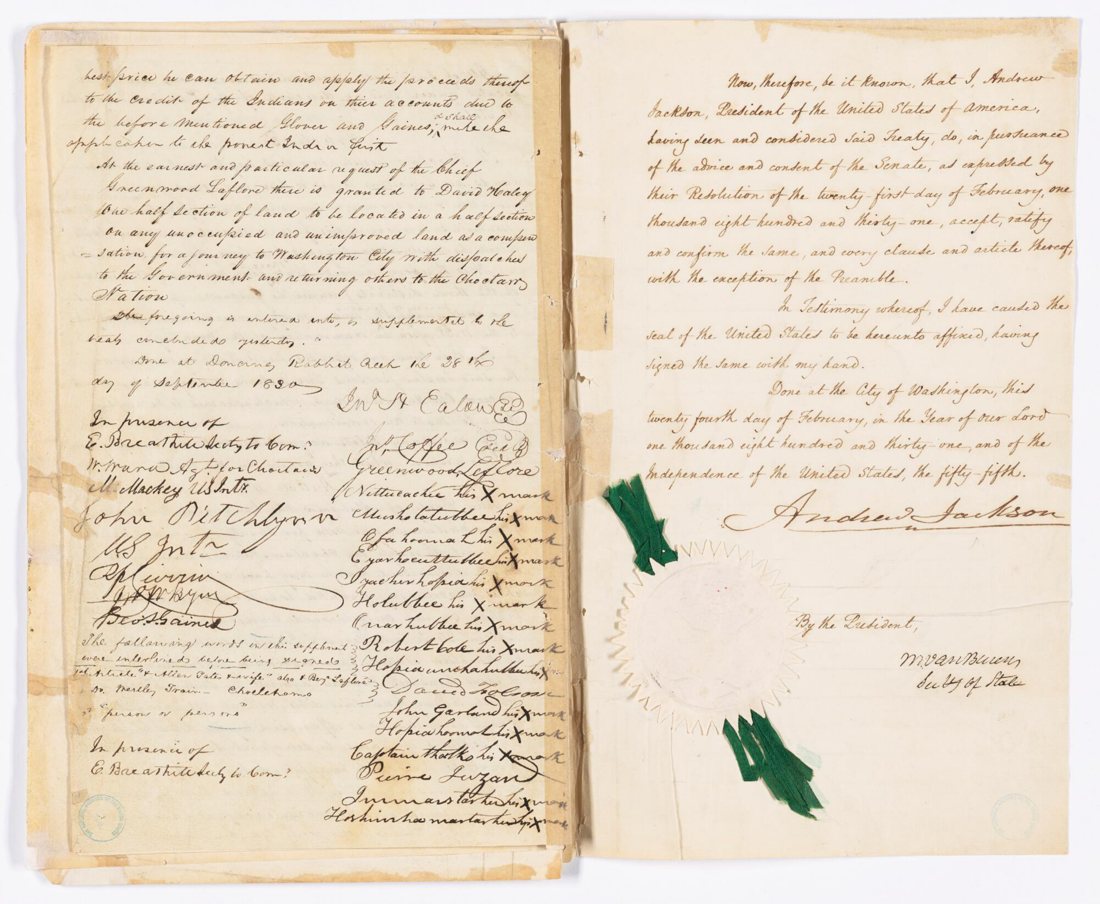
The Treaty of Dancing Rabbit Creek, signed on 27 September 1830. The Choctaw Nation agreed to give up its country east of the Mississippi River and to move west.
The treaty set the timetable itself: the first parties in the fall of 1831, the rest by 1833.
What it was worth
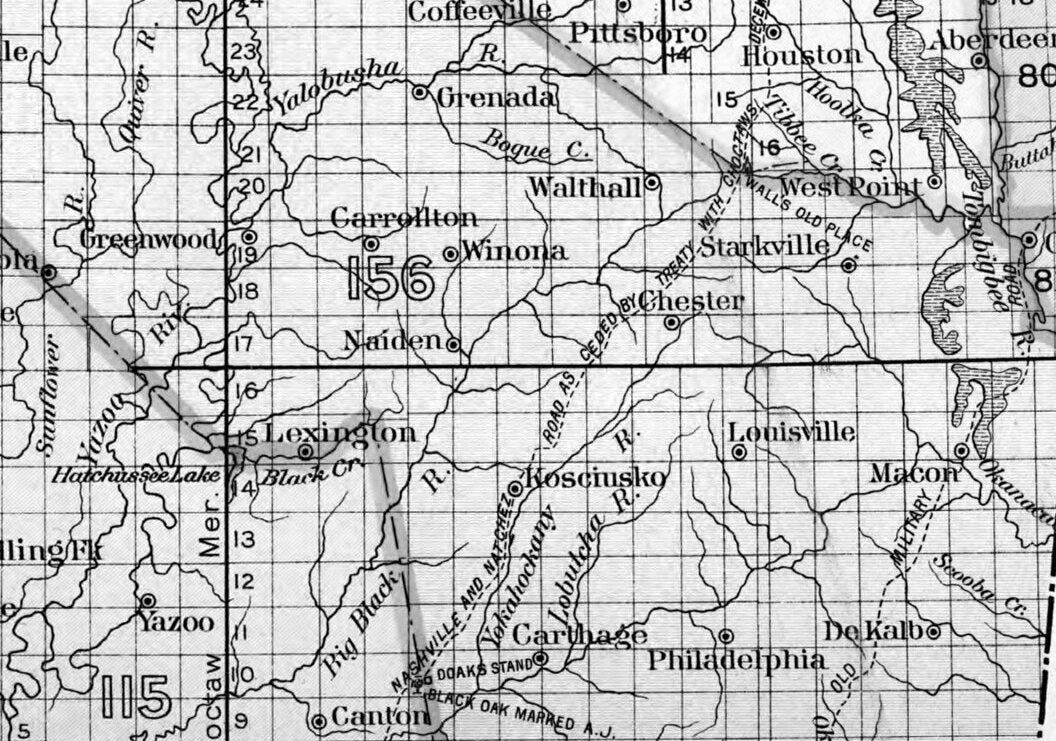
On paper: a country given up, the journey provided for, and a promise that no territory or state would have the right to pass laws for the Choctaw Nation.
In practice: the moving began in 1831, and the government that carried it out never counted the ones who died.
Who walked first
Around fifteen thousand Choctaw left their country. They were the first of the five nations to be removed — before the Creek, the Cherokee, the Chickasaw and the Seminole.
The walking began in 1831 — seven years before the Cherokee removal most people call the Trail of Tears.
The Chapters They Omitted
“On the Trail of Tears itself, the government that moved them never counted the ones who died.”
— as the National Park Service puts it: No one knows how many died.
So we printed the road onto cloth
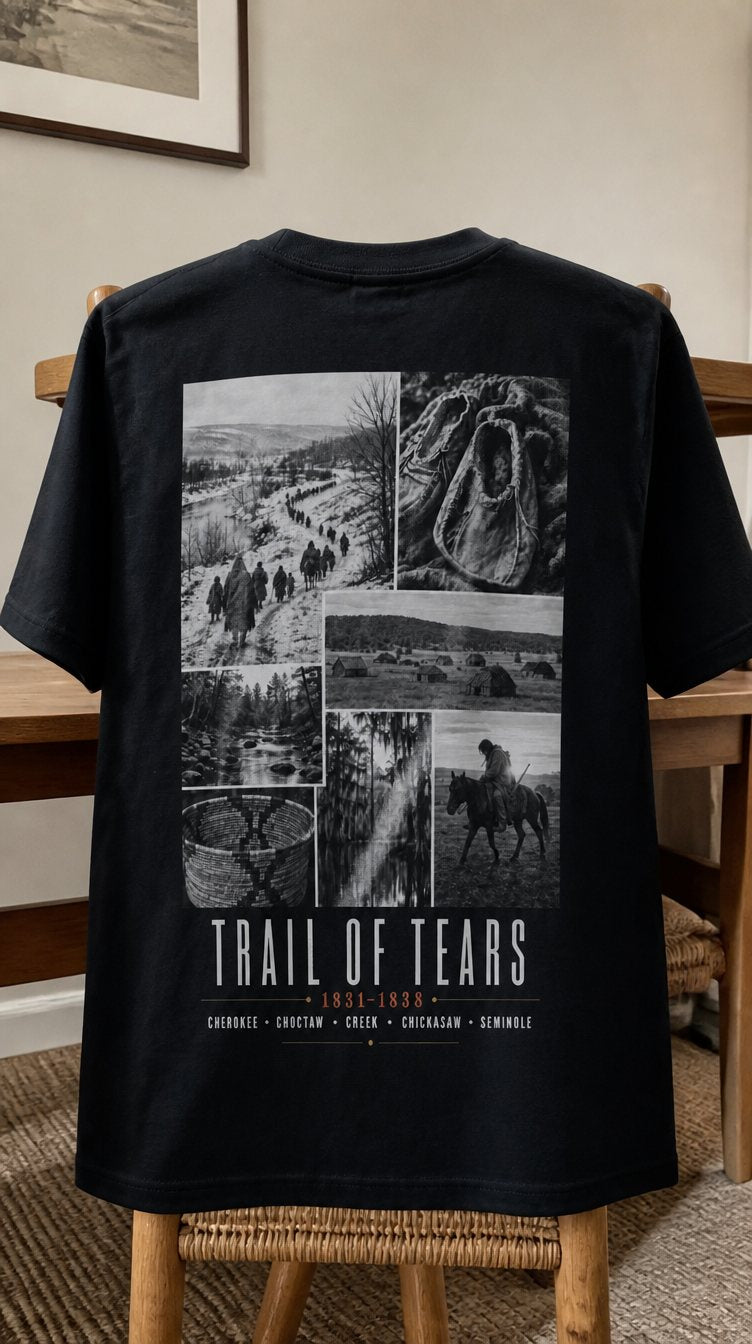
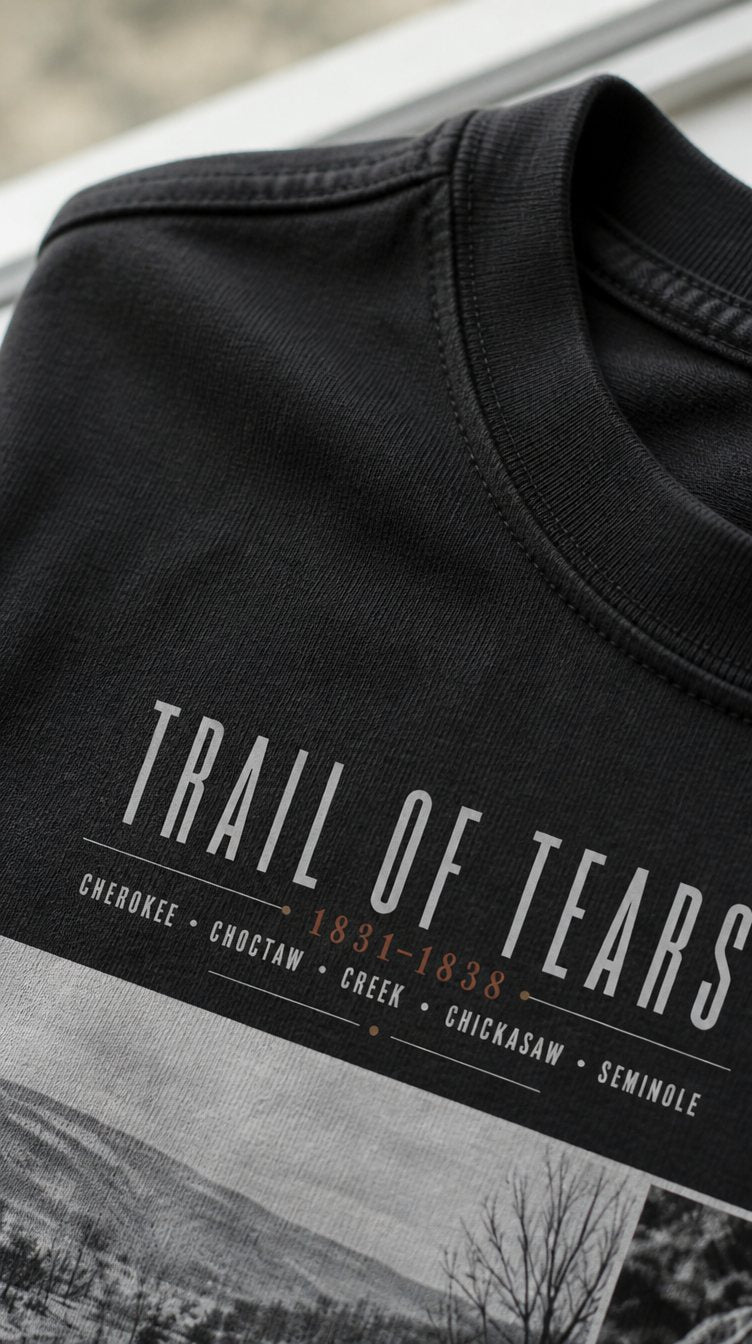
The back of this shirt is seven black-and-white photographs — the crossing, the snow, the camps, the basket, the moccasins, and the ones who kept walking.
TRAIL OF TEARS
1831 – 1838
CHEROKEE · CHOCTAW · CREEK · CHICKASAW · SEMINOLE
The front is plain. The story sits on your back, where you can't see it — and where everyone behind you can.
This is not an effort to rewrite history. It's an effort to finally, fully, read it.
What you're wearing
- Printed on the back — front stays plain, the story stays behind you
- Seven-photograph collage in black and white, on a dark heavyweight tee
- Garment-dyed heavyweight cotton — softens with every wash
- Made in the USA — printed and shipped on American soil · unisex S–4XL
Wear one. Hand one down.
Two tees, free shipping — one for you, one to hand down.
Free size exchange. Buy 2 tees — free shipping · No code, no games: two shirts ship free, at full price.
Printed & shipped in the USA
7-day replacement — you never mail anything back.
Straight answers
Why is the print on the back?
Because that's how the story works — you carry it where you can't watch it, and other people read it. No one sees it from the front; everyone sees it when you walk away.
Is this respectful — or is it using Native history to sell?
Fair question. The facts on this page cite their sources (the 1830 Treaty of Dancing Rabbit Creek, the Indian Pioneer Papers of 1937, NCAI's state-standards report, the Department of the Interior's boarding-school investigation, the National Park Service). We don't put words in any real person's mouth, and portraits and scenes are marked as illustrations or period paintings, never as photographs of the people named.
Why are all five nations on one shirt?
Because the removal wasn't one nation and wasn't one year. The Choctaw went first, in 1831; the Creek, Chickasaw, Cherokee and Seminole followed. The row of names is there so no one reads this shirt and thinks it happened once, to one people.
Will the print fade or crack?
Our DTG prints hold color and detail with normal care: wash inside out in cold water on a gentle cycle, tumble low or air dry. Some natural wear over time is normal for cotton.
What if the size is wrong?
Free size exchange, and a 7-day replacement — you never mail anything back.
“The promise was signed in 1830.
The road began in 1831.”
Free size exchange · Wear one. Hand one down.
